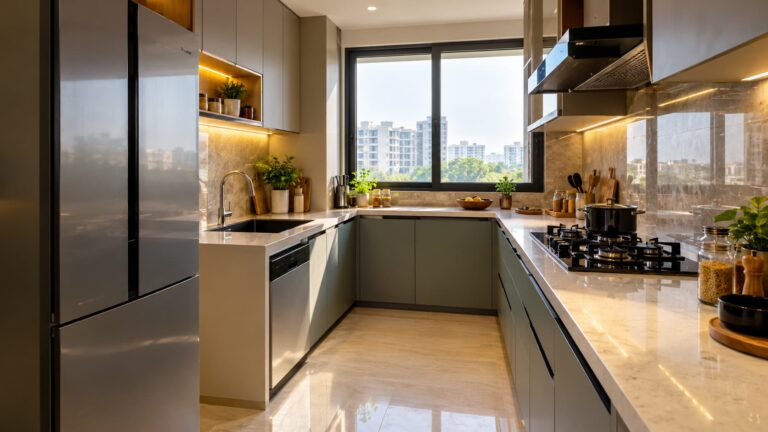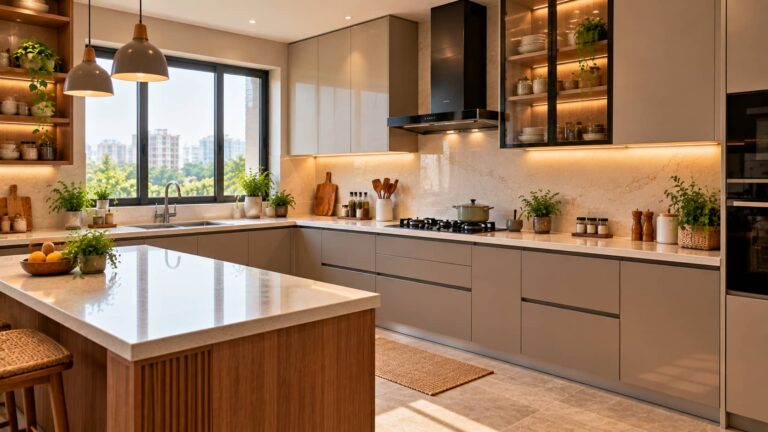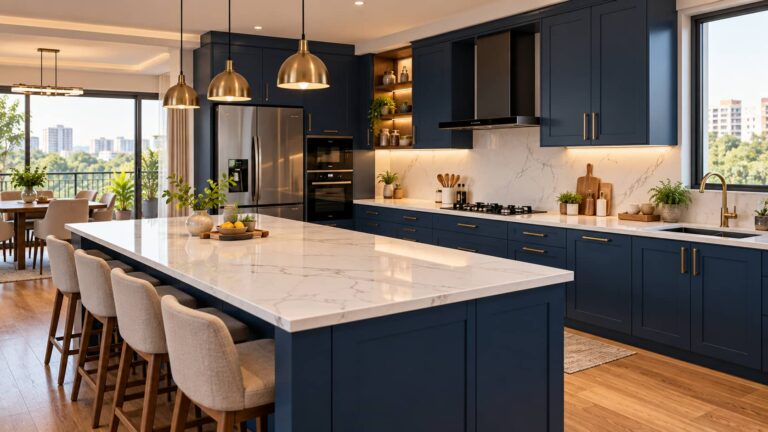
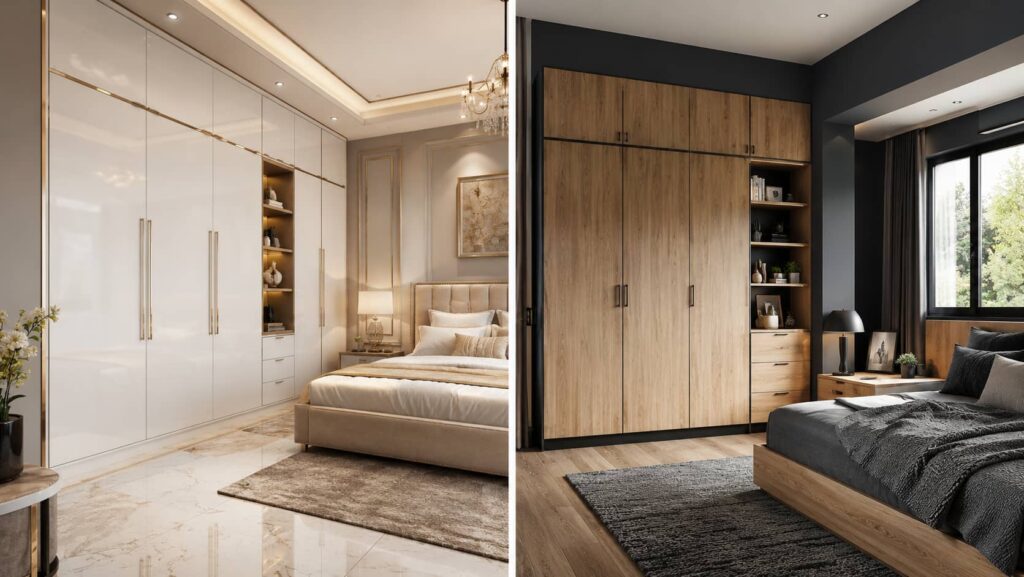
When choosing between PU Finish vs Laminate, durability is often the deciding factor—but it’s not the only one. The finish you select influences your furniture’s appearance, maintenance needs, and lifespan. Whether you’re designing wardrobes, kitchen cabinets, or living room furniture, understanding the strengths and limitations of each option can help you make a smarter investment. While laminate is known for its excellent resistance to scratches, moisture, and daily wear, PU finish stands out for its smooth, luxurious look and endless color possibilities. The right choice ultimately depends on your priorities, usage, and budget.
Understanding PU Finish and Laminate
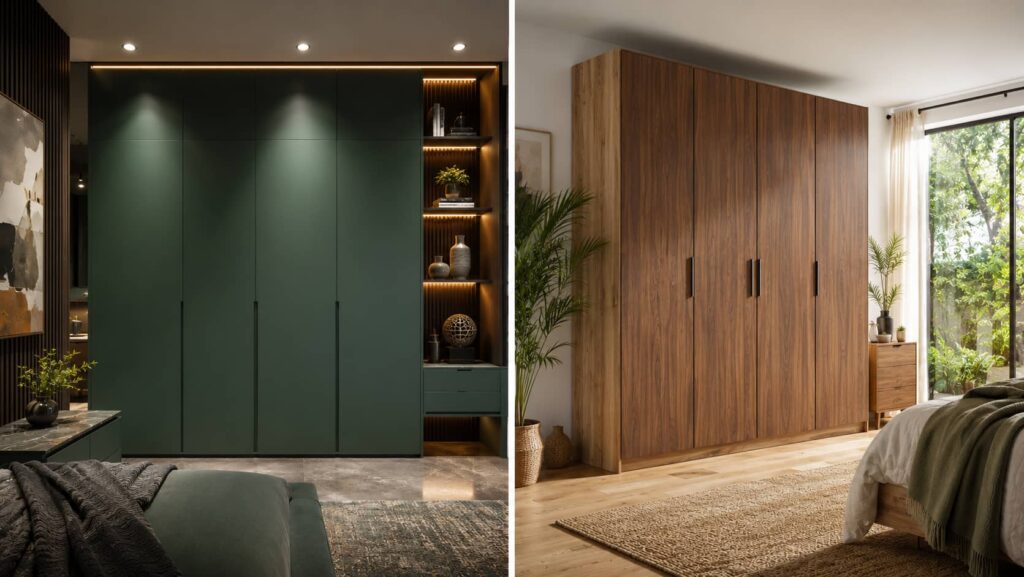
Before comparing the durability of PU finish and laminate, it’s important to understand what each material is and how it performs. Knowing their basic characteristics will make it easier to choose the right finish for your furniture and interior spaces.
What is PU Finish?
PU (Polyurethane) finish is a paint-based coating applied directly onto MDF, plywood, or other wooden surfaces. It creates a smooth, seamless appearance with no visible joints or edges.
PU finishes are available in:
- High Gloss
- Matte
- Satin
Because it is sprayed in multiple coats and polished, the final surface feels luxurious and premium.
Many premium residential interiors use PU finish wardrobes and designer kitchen cabinets for their elegant appearance. When planning PU Finish vs Laminate for a new home, exploring modern home interior ideas can help you choose the right finish for every room.
What is Laminate?
Laminate is a factory-manufactured decorative sheet bonded to plywood, MDF, or particle board using adhesives under high pressure.
It comes in hundreds of designs, including:
- Wood grain
- Stone textures
- Solid colors
- Matte finishes
- Gloss finishes
- Fabric textures
Modern laminates can closely resemble natural materials while offering excellent resistance to daily wear.
PU Finish vs Laminate: Comparison
Which Lasts Longer: PU Finish or Laminate?
If long-lasting durability is your top priority, laminate is the clear winner. Built to withstand daily wear, scratches, stains, and moisture, it delivers reliable performance for years, making it the preferred choice for high-use spaces like wardrobes, kitchen cabinets, and office furniture.
Here’s why:
- Better scratch resistance
- Resistant to household stains
- Less likely to show fingerprints
- Handles frequent cleaning well
- Suitable for busy families
PU finish can also last many years when professionally applied, but its painted surface is more vulnerable to scratches and impacts.
Industry best practices indicate that laminate is often preferred in areas with heavy daily use, while PU is chosen where design and aesthetics are the main priorities.
PU Finish vs Laminate Durability
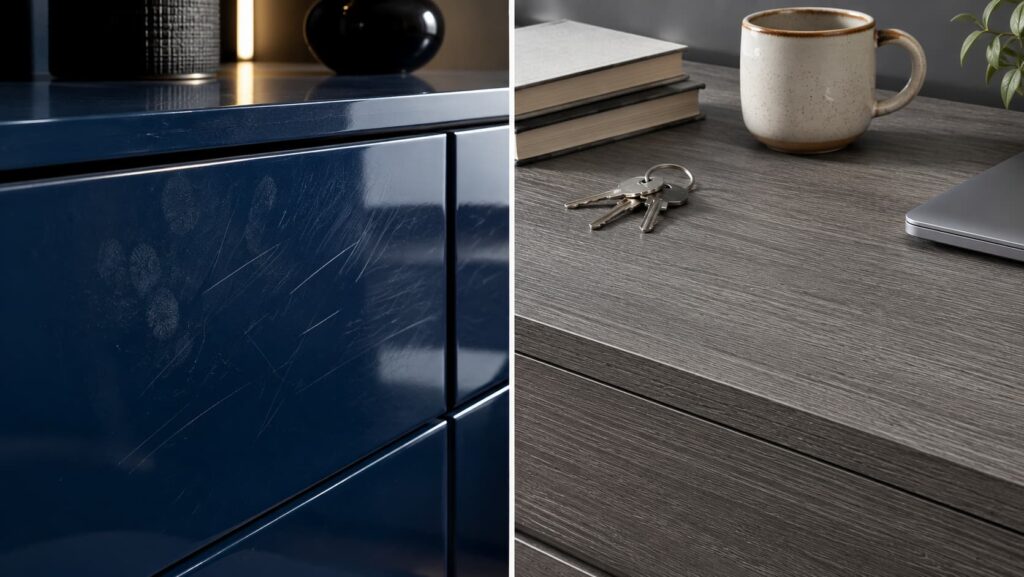
Durability is about more than just how long a finish lasts. It also depends on how well it stands up to everyday challenges like scratches, moisture, stains, heat, and constant use without losing its appearance or performance.
Scratch Resistance
Laminate offers superior scratch resistance, making it the better choice for furniture exposed to daily use. Everyday items like keys, utensils, toys, and bags are far less likely to leave visible marks on its durable surface. In comparison, PU finishes—particularly high-gloss variants—are more susceptible to scratches and scuffs, which can become noticeable over time with regular use.
Moisture Resistance
Both finishes can deliver excellent performance when applied and installed properly. The final result depends not only on the material but also on the quality of workmanship, surface preparation, and regular maintenance.
However:
- Laminate resists moisture effectively because of its protective surface layer.
- PU coating also resists moisture but depends heavily on proper application.
Poor workmanship can reduce the lifespan of PU finishes.
Heat Resistance
Neither finish is designed to handle excessive direct heat for long periods. However, in kitchen environments, laminate often has an advantage as it withstands daily wear, spills, and frequent use more effectively, making it a practical choice for busy cooking areas.
UV Resistance
Continuous exposure to sunlight can gradually impact the appearance of both finishes. High-quality PU coatings usually maintain their color and shine well, but prolonged UV exposure may reduce gloss over time. Premium laminates also provide excellent color stability and help maintain a consistent look for years.
PU Paint vs Laminate: Appearance Comparison
Appearance is where PU truly stands out. Its smooth, seamless finish creates a luxurious, high-end look that is difficult to match. With a wide range of colors, textures, and glossy or matte options, PU offers greater design flexibility for modern, premium interiors.
Why homeowners choose PU
PU creates:
- Seamless finish
- Rich glossy appearance
- Luxury furniture look
- Custom color options
- Smooth touch
Designer homes often prefer PU because there are no visible laminate joints.
Why homeowners choose laminate
Modern laminates have evolved far beyond basic designs, offering an impressive range of colors, textures, patterns, and finishes. From wood-inspired looks to premium matte surfaces, they provide excellent design flexibility while combining style with everyday practicality.
Options include:
- Natural oak
- Walnut
- Marble
- Concrete
- Metallic
- Fabric textures
Textured laminates can closely mimic real wood while requiring much less maintenance.
PU Finish vs Laminate Cost
Cost is another important factor when choosing between PU finish and laminate. Laminate is generally more budget-friendly, offering excellent durability and style at a lower cost. PU finishes, on the other hand, involve a more detailed application process, making them a premium option with a higher price point.
Several factors influence pricing:
- Brand
- Thickness
- Base material
- Labor
- Finish quality
- Project size
In most projects:
- Laminate is more economical.
- PU finish usually costs more because it requires multiple coats, sanding, polishing, drying time, and skilled labor.
If you’re comparing PU Finish vs Laminate on a budget, laminate can significantly reduce your interior costs. You can also explore our budget-friendly interior ideas for more cost-saving inspiration.
PU Finish vs Laminate for Wardrobes
When selecting the right wardrobe finish, consider your daily usage patterns. A frequently used wardrobe needs a surface that can handle regular opening, closing, dust, and accidental scratches while maintaining its appearance. Your lifestyle and maintenance preferences play a key role in making the right choice.
Laminate works especially well for:
- Children’s rooms
- Guest bedrooms
- Rental properties
- Family wardrobes
PU finish suits:
- Master bedrooms
- Luxury interiors
- Designer wardrobes
- Minimalist spaces
If you’re comparing PU Finish vs Laminate for wardrobes, laminate remains one of the best choices for durability. You can also explore our space-saving wardrobe ideas to find practical wardrobe designs.
PU Finish vs Laminate for Kitchen Cabinets
Kitchen cabinets demand a finish that can handle moisture, heat, stains, and daily wear without losing their appeal. Comparing PU finish and laminate helps you choose the right balance between durability, maintenance, and design.
Kitchen cabinets experience:
- Steam
- Grease
- Moisture
- Frequent cleaning
- Heavy daily use
When choosing PU Finish vs Laminate for kitchen cabinets, laminate is often considered the more practical option. Read our guide to modular kitchen design before selecting the right cabinet finish.
PU finish still has its place in premium kitchens where homeowners want a luxurious appearance and are comfortable with slightly higher maintenance.
PU Finish vs Laminate Pros and Cons
PU Finish
Pros
- Premium appearance
- Seamless surface
- Custom colors
- Excellent gloss quality
- Ideal for luxury interiors
Cons
- More expensive
- Easier to scratch
- Longer installation time
- Repairs often require repainting
Laminate
Pros
- Highly durable
- Scratch resistant
- Affordable
- Easy to clean
- Huge variety of designs
Cons
- Visible edge bands
- Limited repair options
- Doesn’t provide the same seamless luxury look as PU
Laminate vs Acrylic vs PU
If your budget allows and appearance is the highest priority, both Acrylic and PU offer premium finishes.
If practicality comes first, laminate usually remains the preferred option.
Which Is Better: PU Finish or Laminate?
There isn’t one universal winner, as the best choice depends on your priorities. Laminate is ideal for durability, easy maintenance, and high-use areas, while PU finish is preferred for a premium look, seamless appearance, and design flexibility.The best PU Finish vs Laminate choice depends on your lifestyle, budget, and furniture requirements. You may also want to compare custom furniture and ready-made furniture before making your final investment.
Choose Laminate if you want:
- Long-lasting durability
- Lower maintenance
- Better scratch resistance
- Budget-friendly interiors
- Family-friendly furniture
Choose PU Finish if you want:
- Premium aesthetics
- Seamless appearance
- Designer interiors
- Customized colors
- Luxury bedroom furniture
The best choice depends on balancing appearance, maintenance expectations, and budget.
Tips for Choosing the Right Furniture Finish
Before making your final decision, consider the factors that matter most for your space, including usage, durability, maintenance needs, budget, and the overall design style you want to achieve. These considerations will help you choose a finish that looks great and performs well for years.
- How heavily will the furniture be used?
- Is appearance more important than durability?
- What is your maintenance preference?
- What is your overall interior budget?
- Will the furniture receive direct sunlight?
- Are there children or pets in the home?
Answering these questions usually makes the decision much easier.
When Should You Consult an Interior Designer?
While comparing PU Finish vs Laminate, remember that selecting the right furniture core material is equally important. Learn how to choose the best wood for furniture before making your final decision. The quality of plywood, hardware, installation, lighting, and layout all influence how your furniture performs over time.
If you’re still deciding between PU Finish vs Laminate, consulting an expert can help you select the right finish for your lifestyle. Here’s how to hire an interior designer before starting your project. consulting experienced Best Interior Designers in Bangalore can help you balance aesthetics, durability, and budget. Likewise, for homeowners planning a new Modular Kitchen Bangalore project, professional guidance can ensure the finish you choose suits your cooking habits, maintenance preferences, and design goals.
Conclusion
Both PU finish and laminate have their own advantages, and the right choice depends on your priorities. Laminate stands out for its durability, affordability, scratch resistance, and low maintenance, making it a practical option for most wardrobes and modular kitchens. PU finish, on the other hand, offers a luxurious, seamless appearance with excellent customization options for premium interiors. Before making your PU Finish vs Laminate decision, consider your furniture usage, maintenance preferences, design expectations, and budget. You should also compare HDHMR, MDF, and plywood to choose the best core material for durable furniture.
FAQs
Does PU finish last longer than laminate?
Generally, no. Laminate usually lasts longer in high-use areas because it offers better resistance to scratches, stains, and daily wear.
Which is better for kitchen cabinets: PU or laminate?
Laminate is often the more practical choice for kitchen cabinets due to its durability, easy maintenance, and resistance to everyday use. PU is better suited to homeowners seeking a premium seamless appearance.
Is PU finish waterproof?
PU finish offers good moisture resistance when applied correctly, but no furniture finish is completely waterproof. Proper sealing and installation are important.
Which wardrobe finish requires less maintenance?
Laminate requires less maintenance. It is easier to clean and better resists scratches and fingerprints than PU finish.
Is PU finish worth the extra cost?
If your priority is luxury aesthetics and a seamless painted look, PU finish can be worth the investment. If durability and value are more important, laminate is often the better option.