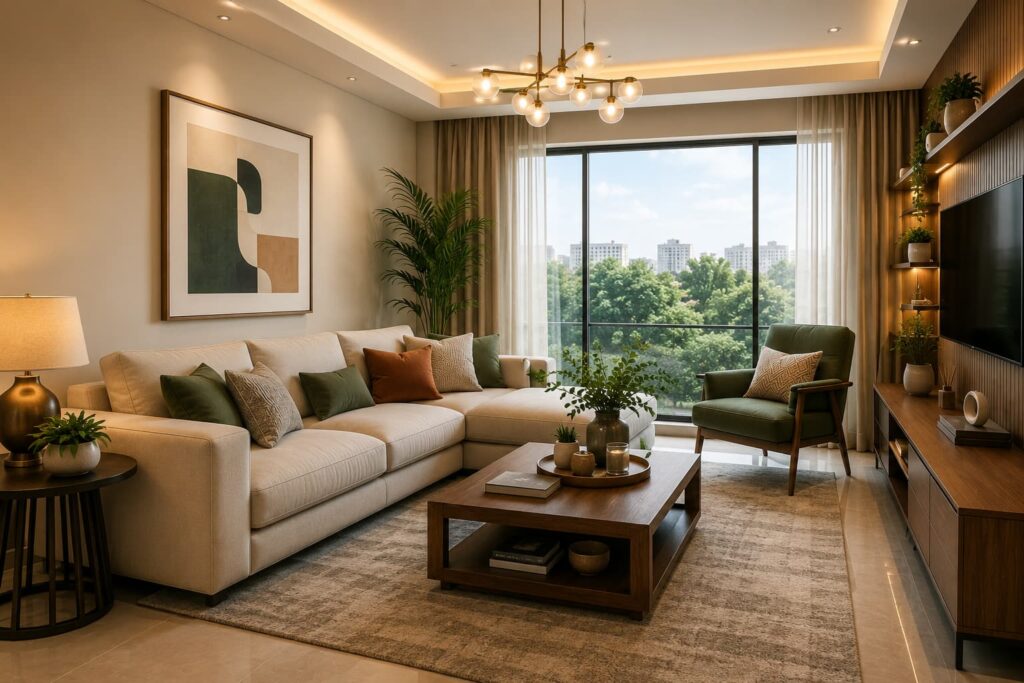
The living room is where families spend time together, entertain guests, and create lasting memories. Choosing the right Living Room Interior Design is about more than selecting attractive furniture or following the latest trends—it’s about designing a space that reflects your lifestyle, maximises comfort, and remains functional for years. Whether you’re renovating a villa or furnishing a compact apartment in Bangalore, this guide will help you make informed decisions with practical advice, expert insights, and ideas tailored to Indian homes.
What Is Living Room Interior Design?
Living Room Interior Design is the process of planning and arranging furniture, colours, lighting, décor, storage, and architectural elements to create a space that is comfortable, functional, and visually appealing.
Good design balances aesthetics with practicality. A successful living room also starts with proper interior space planning, ensuring furniture placement, movement, and storage work together seamlessly. Instead of focusing only on appearance, it considers how people move through the room, interact with one another, and use the space every day.
Key elements of an effective living room design
- Functional furniture layout.
- Balanced colour palette.
- Layered lighting.
- Smart storage solutions.
- Decorative elements that reflect your personality.
A thoughtfully designed living room not only looks beautiful but also supports your daily routine.
Why Living Room Interior Design Matters
Your living room is often the first impression visitors have of your home and one of the most frequently used spaces. A well-planned design improves comfort, supports everyday activities, and increases your property’s long-term value.
For homeowners in Bangalore, where apartment layouts are often compact, thoughtful planning can make even a modest space feel open and inviting.
Why investing in good design is worthwhile
- Makes better use of available space.
- Improves comfort and functionality.
- Enhances natural light and ventilation.
- Creates a welcoming atmosphere.
- Adds value to your property.
A successful design considers both today’s needs and future lifestyle changes.
Benefits of a Well-Planned Living Room Interior Design
A carefully planned living room delivers benefits that go beyond appearance. It simplifies daily living, reduces clutter, and creates a space that adapts to changing family needs over time.
Key benefits
- Better organisation through integrated storage and customised furniture that maximises every available inch.
- Comfortable seating and clear movement paths.
- Timeless aesthetics that age gracefully.
- Easier maintenance with durable materials.
- Improved ambience through layered lighting.
Investing in furniture selection and customization helps create storage solutions that perfectly suit your lifestyle and room dimensions.
Expert Insight
One of the most overlooked aspects of living room design is circulation. Maintaining clear pathways between seating, storage, and entrances makes the room feel larger and more comfortable without increasing its actual size.
By focusing on functionality alongside style, you create a living room that continues to serve your family well long after design trends have changed.
How to Choose the Perfect Living Room Interior Design
Choosing the right Living Room Interior Design starts with understanding your home’s layout, lifestyle, and long-term needs. Instead of selecting furniture or colours first, create a plan that balances functionality, comfort, and aesthetics. This approach reduces costly changes and ensures every design element works together.
Consider these factors before making decisions
- Measure your room accurately before buying furniture.
- Define a realistic budget with room for unexpected expenses.
- Identify how the space will be used every day.
- Prioritise comfort over short-term design trends.
- Choose materials that match your maintenance preferences.
Why this approach works
A structured planning process helps you avoid mismatched furniture, poor layouts, and unnecessary spending while creating a living room that remains practical for years.
Decision-Making Framework: Choosing the Right Design
Rather than asking, “Which style looks best?”, ask “Which style suits my home and lifestyle?” This simple shift leads to better long-term decisions.
Step 1: Evaluate Your Space
The size and shape of your room influence almost every design choice.
- Small apartment → Modern or Minimalist.
- Medium-sized home → Contemporary.
- Spacious villa → Luxury or Traditional.
Step 2: Consider Your Lifestyle
Your daily routine should guide your design decisions.
- Families with children need durable materials.
- Professionals may prefer clean, clutter-free layouts.
- Frequent hosts benefit from flexible seating arrangements.
Step 3: Match Your Budget
Invest more in permanent features and save on accessories that are easy to replace.
- High-quality sofa.
- Functional storage.
- Good lighting.
- Durable flooring.
This framework helps homeowners focus on long-term value rather than short-lived trends.
Interior Design Styles
Different Interior Design Styles offer unique aesthetics and practical benefits. Understanding their strengths helps you choose a style that complements your home instead of simply following what’s popular.
Factors to compare
- Maintenance requirements.
- Budget.
- Space efficiency.
- Flexibility.
- Long-term appeal.
Selecting one primary style creates a cohesive look while allowing room for personal touches.
Modern Living Room Interior Design
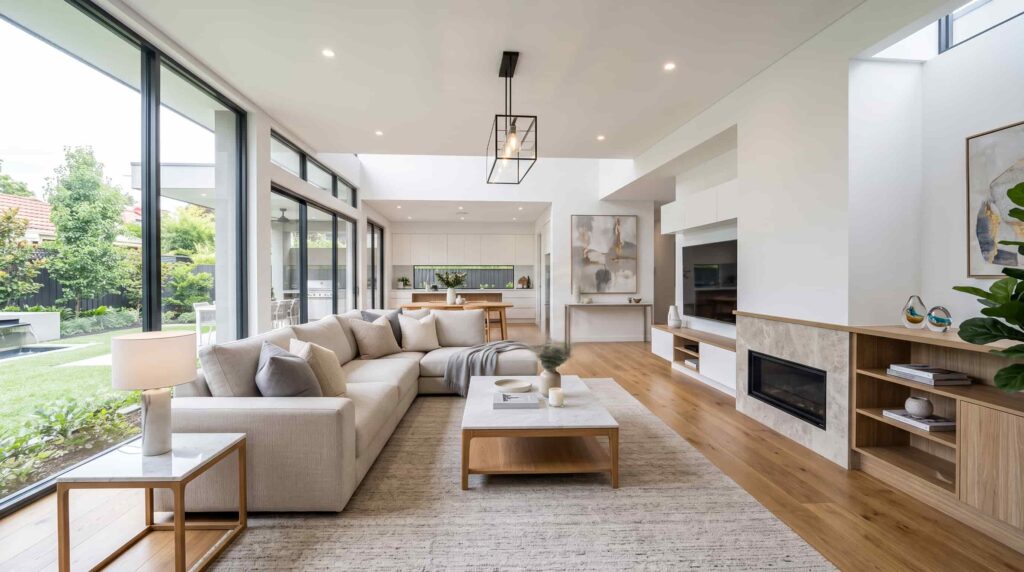
Modern living room designs are characterised by clean lines, uncluttered layouts, and functional furniture that creates a spacious and organised look. It works particularly well in Bangalore apartments where efficient use of space is essential.
Features
- Minimal decoration.
- Sleek furniture.
- Open layouts.
- Integrated storage.
Best suited for
- Apartments.
- Young professionals.
- First-time homeowners.
Why it works
Modern interiors are easy to update. Changing cushions, artwork, or lighting can refresh the room without requiring a complete renovation.
Luxury Living Room Design
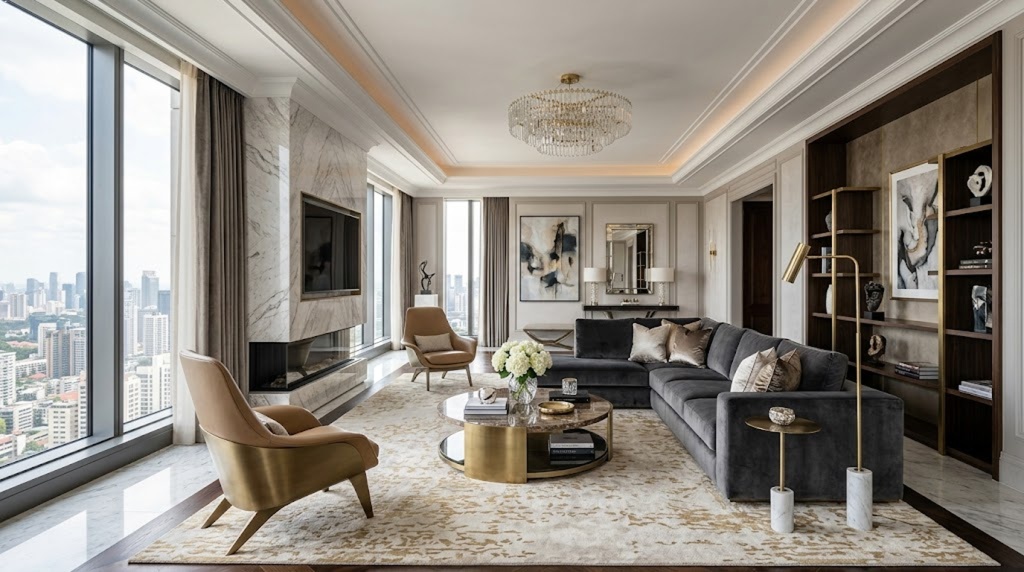
A Luxury Living Room Design focuses on premium materials, thoughtful craftsmanship, and timeless elegance. Luxury comes from quality and proportion rather than excessive decoration.
Key characteristics
- Marble or premium flooring.
- Designer lighting.
- Custom-made furniture.
- High-quality fabrics.
- Sophisticated colour palettes.
Best suited for
- Villas.
- Premium apartments.
- Large family homes.
Expert Recommendation
Choose one or two standout features—such as a custom TV wall or statement chandelier—instead of filling the room with expensive decorative items. This creates a more refined and balanced appearance.
Small Living Room Interior Design
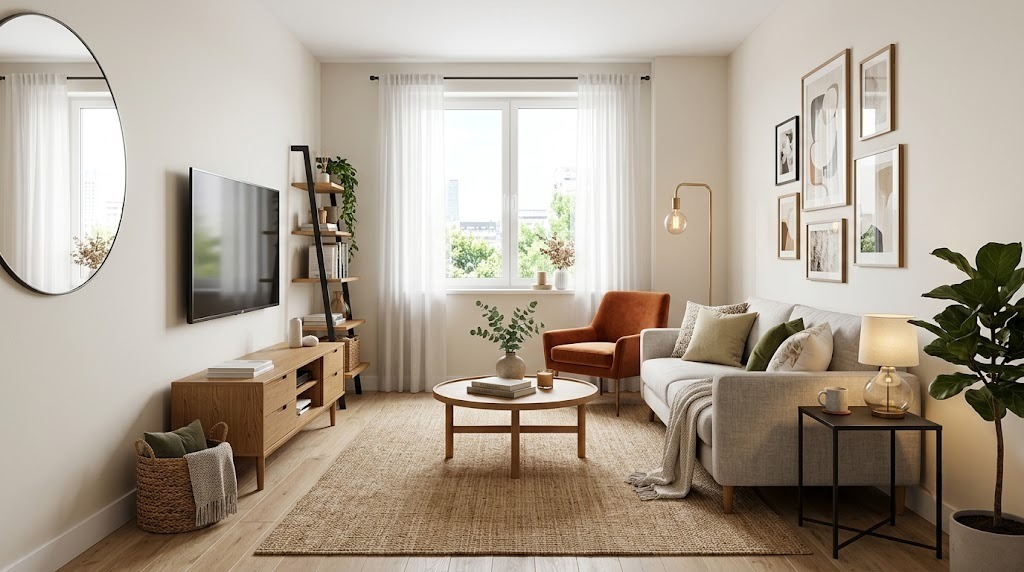
A compact room can feel spacious with the right planning. The goal is to maximise functionality while maintaining visual openness.
Design principles
- Choose light wall colours.
- Use multifunctional furniture.
- Install floating shelves.
- Keep walkways unobstructed.
- Add mirrors to reflect natural light.
Common misconception
Many homeowners think adding more storage makes a room feel crowded. In reality, well-designed built-in storage often reduces clutter and creates a cleaner appearance.
If you’re designing a compact apartment or a small home, using smart layouts and space-saving furniture can make a significant difference. Explore our Interior Design Tips for Compact Homes to discover practical ideas for maximising every square foot.
Living Room Design for Bangalore Homes
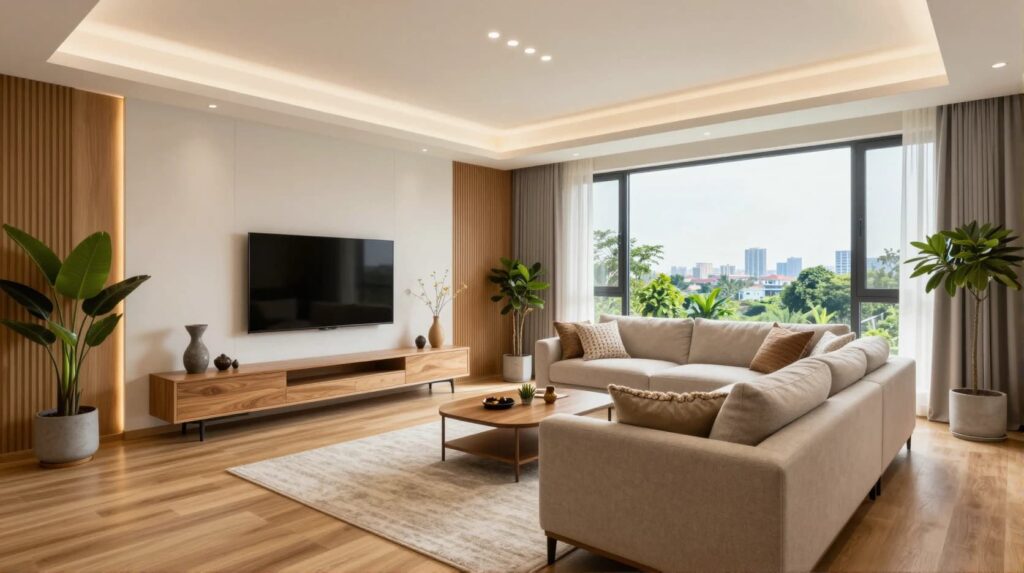
Bangalore living rooms often serve multiple purposes, from entertaining guests to family gatherings and festive celebrations. This requires flexible layouts and durable materials.
Practical considerations
- Comfortable seating for extended family.
- Easy-to-clean finishes.
- Adequate storage.
- Good natural ventilation.
- Flexible furniture arrangements.
Bangalore-specific insight
For urban apartments, modular furniture and concealed storage help maximise usable space without compromising style.
Which Design Style Is Right for You?
Design Style | Best For | Budget | Maintenance | Space Requirement | Overall Flexibility |
ModerModern | Apartments | Medium | Low | Compact to Medium | Excellent |
Contemporary | Urban Homes | Medium–High | Medium | Medium | High |
Minimalist | Small Homes | Medium | Very Low | Compact | Excellent |
Luxury | Villas | High | Medium | Large | High |
Traditional | Family Homes | Medium–High | Medium | Medium to Large | Moderate |
Quick recommendation
- Want simplicity? Choose Modern.
- Need space efficiency? Choose Minimalist.
- Prefer elegance? Choose Luxury.
- Like timeless warmth? Choose Traditional.
- Want flexibility? Choose Contemporary.
Step-by-Step Guide to Planning Your Living Room
A successful interior project follows a logical sequence. Skipping steps often results in design compromises and additional costs.
Step 1: Measure the Room
Record the room dimensions, ceiling height, window placement, and electrical points before selecting furniture.
Step 2: Create a Functional Layout
Arrange seating to encourage conversation while maintaining clear pathways. Avoid blocking windows or entrances.
Step 3: Choose a Colour Palette
Select a neutral base colour and introduce accent colours through décor, artwork, or cushions for a timeless look.
If you’re unsure which colours work best together, explore our Home Colour Selection Guide for practical colour planning tips.
Step 4: Select Furniture
Choose furniture that suits the scale of your room. Oversized sofas can overwhelm smaller spaces, while undersized pieces may look out of proportion in larger rooms.
Step 5: Plan Lighting
Layer ambient, task, and accent lighting to create flexibility for different activities and times of day.
A thoughtful lighting and décor planning strategy helps improve both functionality and the overall ambience of your living room.
Step 6: Add Storage
Combine open shelves for display with closed cabinets to keep everyday items organised and reduce visual clutter.
Step 7: Finish with Décor
Add rugs, plants, artwork, and soft furnishings to personalise the space without overcrowding it.
Think Beyond Today's Needs
One design principle many articles overlook is planning for how your lifestyle may change over the next five to ten years.
Ask yourself
- Will your family grow?
- Will you work from home more often?
- Will elderly family members visit regularly?
Designing with future needs in mind reduces renovation costs and helps your living room remain functional for longer.
Expert Insights
Professional interior designers don’t begin with furniture or décor—they start with how the space will be used. A living room that supports your daily routine will remain functional long after design trends change.
Expert recommendations
- Invest in high-quality sofas, as they receive the most daily use.
- Layer lighting instead of relying on a single ceiling fixture.
- Use durable, easy-to-maintain materials for high-traffic areas.
- Reserve bold colours for accessories that can be changed easily.
- Leave enough open space for comfortable movement.
Why these recommendations work
Permanent elements such as flooring, cabinetry, and lighting are expensive to replace. Prioritising quality in these areas improves comfort, reduces maintenance, and delivers better long-term value.
Common Mistakes to Avoid
Even well-planned renovations can fall short if a few basic principles are overlooked. Avoiding these common mistakes can save time, money, and unnecessary redesign work.
Mistakes homeowners often make
- Buying oversized furniture before measuring the room.
- Following social media trends without considering functionality.
- Ignoring natural light when choosing colours.
- Using too many decorative accessories.
- Forgetting to plan electrical outlets and cable management.
Quick checklist before finalising your design
✔ Measure every wall accurately.
✔ Confirm furniture dimensions.
✔ Test paint samples in natural daylight.
✔ Plan storage before purchasing décor.
✔ Keep walkways clear for easy movement.
Conclusion
A thoughtfully designed living room balances comfort, functionality, and timeless style. If you’re ready to transform your space, explore our Living Room Interior Design service for customised solutions tailored to your home. Focus on a practical layout, durable materials, smart lighting, and a design that suits your lifestyle and budget. With thoughtful planning and timeless choices, you can create a welcoming living room that adds value, enhances everyday living, and stays beautiful for years.
FAQs
Which living room interior design style is best for Bangalore homes?
Modern and contemporary styles are the most popular because they balance aesthetics with practicality. Traditional elements can also be incorporated to reflect personal preferences and cultural influences.
How much does living room interior design cost in Bangalore?
Costs vary depending on room size, materials, and customisation. A basic living room makeover may start around ₹1.5 lakh, while premium designs with custom furniture and luxury finishes can exceed ₹8–10 lakh.
How can I make a small living room look bigger?
Use light wall colours, mirrors, multifunctional furniture, floating storage, and minimal décor. Keeping the floor visible and reducing visual clutter also creates a greater sense of space.
What are the best living room colour combinations?
Popular combinations include:
- White and grey.
- Beige and walnut brown.
- Olive green and cream.
- Navy blue and white.
- Terracotta and sand.
Choose colours based on the amount of natural light your room receives.
What type of lighting is best for a living room?
Layered lighting provides the best results. Combine ambient ceiling lights, task lighting for reading, accent lighting to highlight features, and decorative fixtures to create a warm, flexible atmosphere.
Is custom furniture worth the investment?
Custom furniture is an excellent choice for unusual layouts or compact apartments because it maximises available space. For standard room sizes, well-made modular furniture can offer similar functionality at a lower cost.
How often should I update my living room décor?
Large furniture and finishes should last for many years. Accessories such as cushions, artwork, rugs, and curtains can be refreshed every few years to keep the space looking current without major renovations.
Should I choose open shelving or closed storage?
A combination of both usually works best. Open shelves display decorative items, while closed cabinets keep everyday belongings organised and reduce visual clutter.
What is the biggest mistake homeowners make during living room renovations?
One of the most common mistakes is selecting furniture before finalising the layout and measurements. Planning the room first helps avoid overcrowding and improves functionality.
How do I choose the right TV unit for my living room?
Select a TV unit that matches your room size, provides sufficient storage, supports cable management, and complements the overall interior design style. Floating units are often ideal for modern apartments because they create a lighter, more spacious appearance.