Choosing the right interior colour combinations can completely transform the way a home looks and feels. Many homeowners spend months selecting furniture and décor but underestimate the impact of wall colours. The result is often a beautiful home that still feels incomplete or unbalanced.
In 2026, modern homes are embracing warm neutrals, earthy tones, and sophisticated contrasts that create both comfort and style. Whether you own an apartment, villa, or independent house in Bangalore, the right colour palette can make spaces feel larger, brighter, and more inviting. This guide explores the best home colour combinations, practical selection tips, and real-world examples to help you make confident decisions.
What Are Interior Colour Combinations and Why Do They Matter?
Interior colour combinations refer to the strategic pairing of colours used across walls, ceilings, accents, and décor elements. A well-planned colour scheme creates harmony throughout the home and enhances the overall visual appeal.
Colours influence mood, perception of space, and even property value. Modern homeowners increasingly view colour selection as an essential part of interior design rather than simply choosing paint.
Understanding Colour Harmony
Colour harmony occurs when colours work together to create a balanced visual experience. Some combinations create calm environments, while others add energy and personality.
For example, soft neutrals create a spacious and relaxing atmosphere, while darker accent colours add sophistication and depth.
Why Colour Selection Impacts Home Design
The right wall paint colour combination can make small rooms appear larger and bright rooms feel warmer. It also affects how furniture, flooring, and decorative elements blend together.
In Bangalore homes, where natural lighting varies significantly between apartments and villas, colour selection becomes even more important.
How to Choose the Right Interior Colour Combination
Selecting colours should go beyond personal preference. A thoughtful approach ensures long-term satisfaction and better design outcomes.
The process involves understanding the space, evaluating lighting conditions, and considering how colours interact with existing furnishings.
Step 1 – Assess Room Size and Layout
Start by evaluating the dimensions of the room.
Smaller rooms generally benefit from lighter shades such as cream, white, and soft grey. Larger rooms can successfully incorporate darker accent walls without feeling cramped.
Step 2 – Consider Natural and Artificial Lighting
Lighting significantly changes how colours appear throughout the day.
North-facing rooms often benefit from warmer colours, while sunlit rooms can comfortably use cooler tones such as grey, sage green, or blue.
Step 3 – Match Colours With Lifestyle and Furniture
Colour choices should complement furniture, flooring, and décor.
Homes with wooden furniture pair beautifully with earthy tones, while modern minimalist interiors often work best with neutral palettes.
Step 4 – Test Before Final Painting
Never rely solely on digital previews.
Paint sample sections on walls and observe them under morning, afternoon, and evening lighting before making final decisions.
Learn how the right colour combination can transform your home's look and feel.
The following colour combinations are among the most popular choices for modern homes in Bangalore and across India.
1. White and Warm Beige
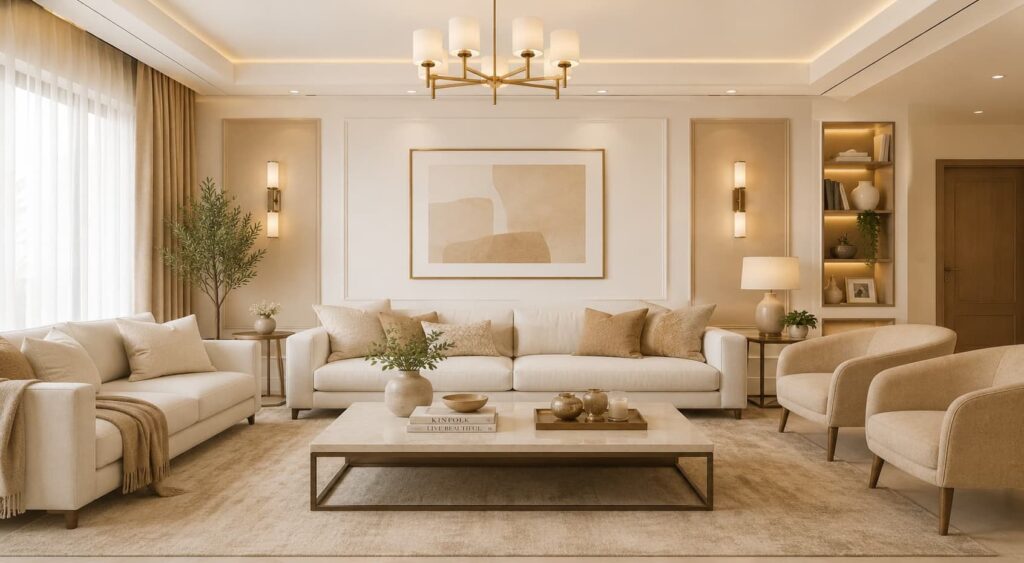
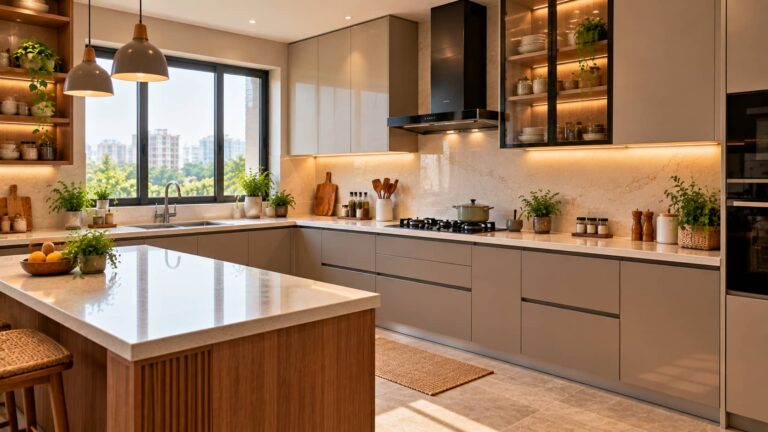
A timeless colour combination that creates a bright, welcoming, and elegant atmosphere. The warmth of beige balances the crispness of white, making rooms feel comfortable without appearing dull. This palette is especially suitable for apartments with limited natural light, as it helps make spaces feel larger and more inviting.
2. Greige and Soft White
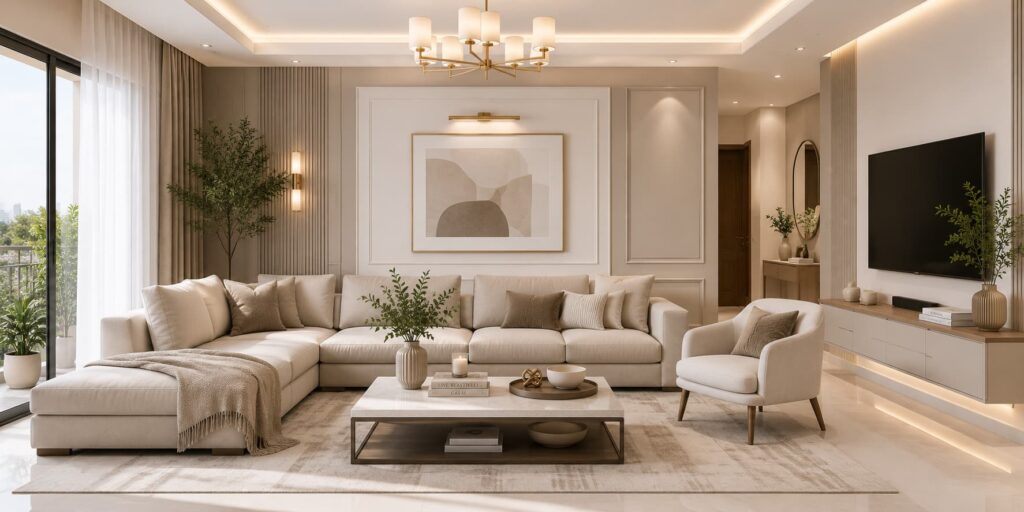
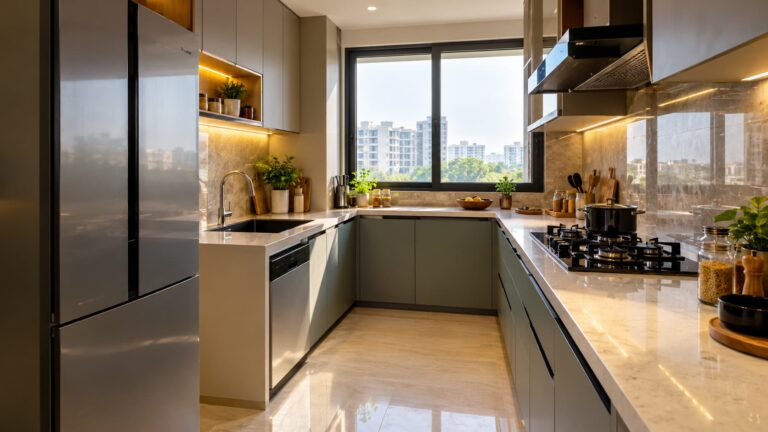
Greige combines the sophistication of grey with the warmth of beige, creating a versatile neutral palette. Paired with soft white, it delivers a clean and contemporary look that works well in modern homes. This combination complements a wide range of furniture styles and remains stylish for years.
3. Sage Green and Cream
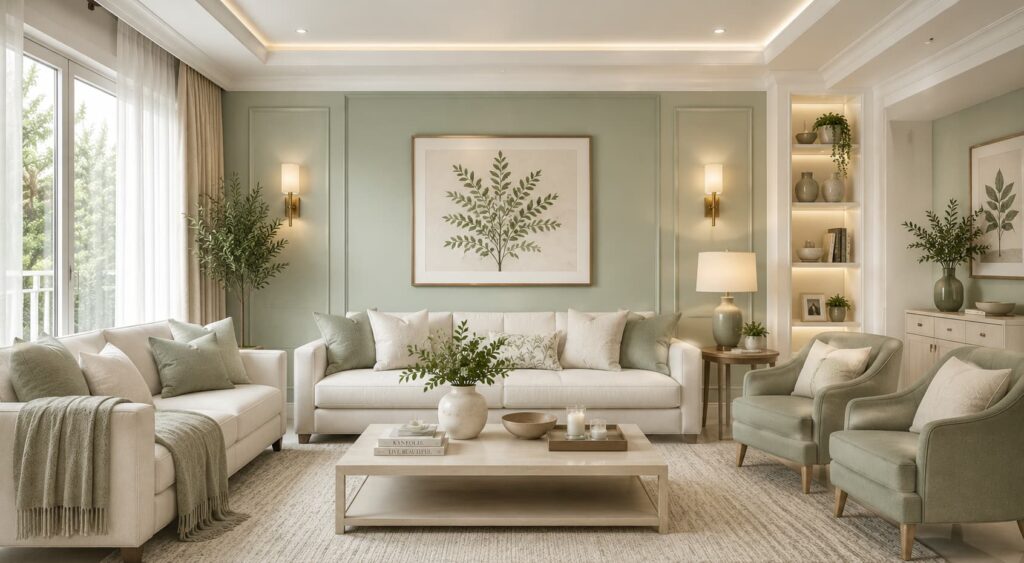
Inspired by nature, sage green and cream create a calm and refreshing environment. The subtle green tones add character while cream softens the overall appearance, making rooms feel warm and relaxing. This combination is particularly popular in bedrooms, living rooms, and reading spaces.
4. Navy Blue and Light Grey
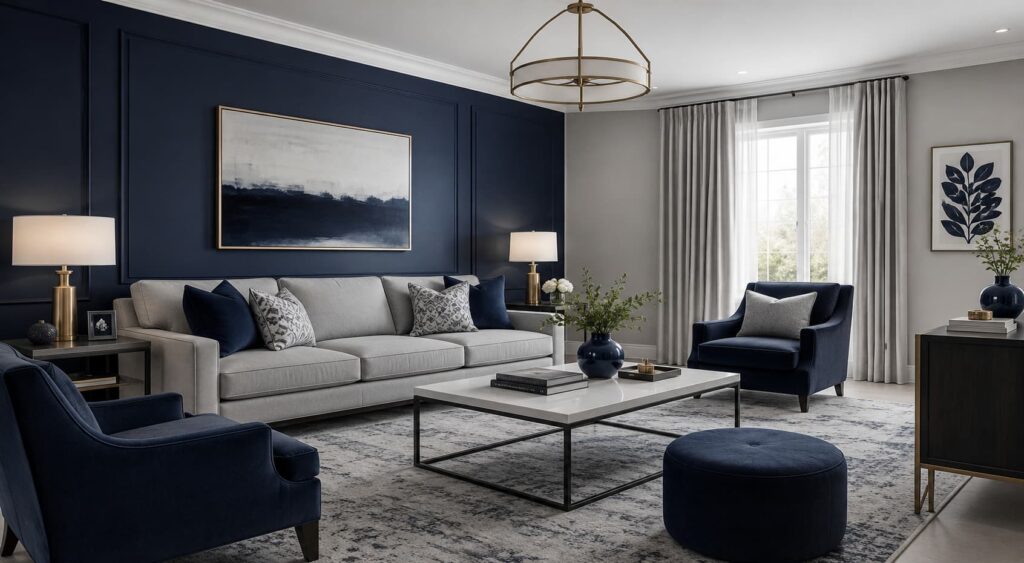
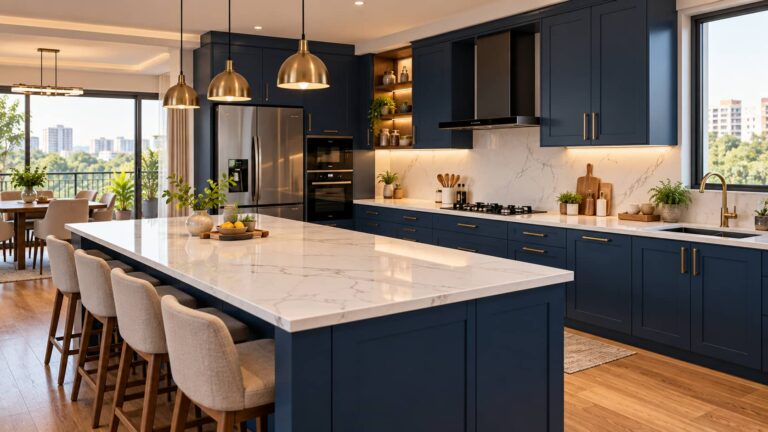
Navy blue adds depth and sophistication, while light grey prevents the space from feeling too dark or overwhelming. Together, they create a luxurious contrast that works beautifully in living rooms and feature walls. This palette is ideal for homeowners who want a bold yet balanced interior.
5. Charcoal Grey and White
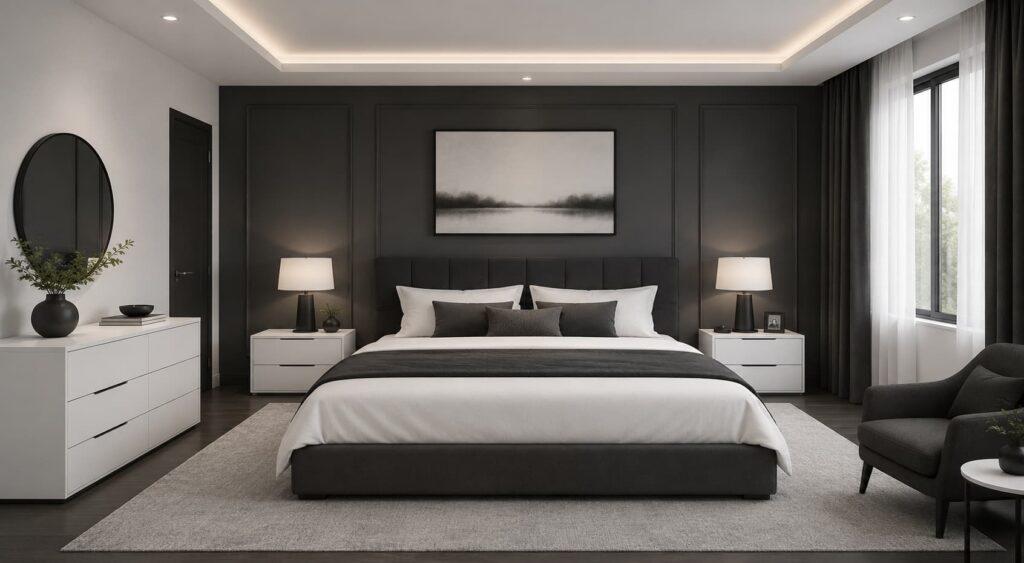
This modern combination offers strong visual contrast while maintaining a clean and elegant appearance. Charcoal grey creates depth and drama, while white keeps the room bright and open. It works particularly well in contemporary apartments and minimalist interior designs.
6. Dusty Pink and Ivory
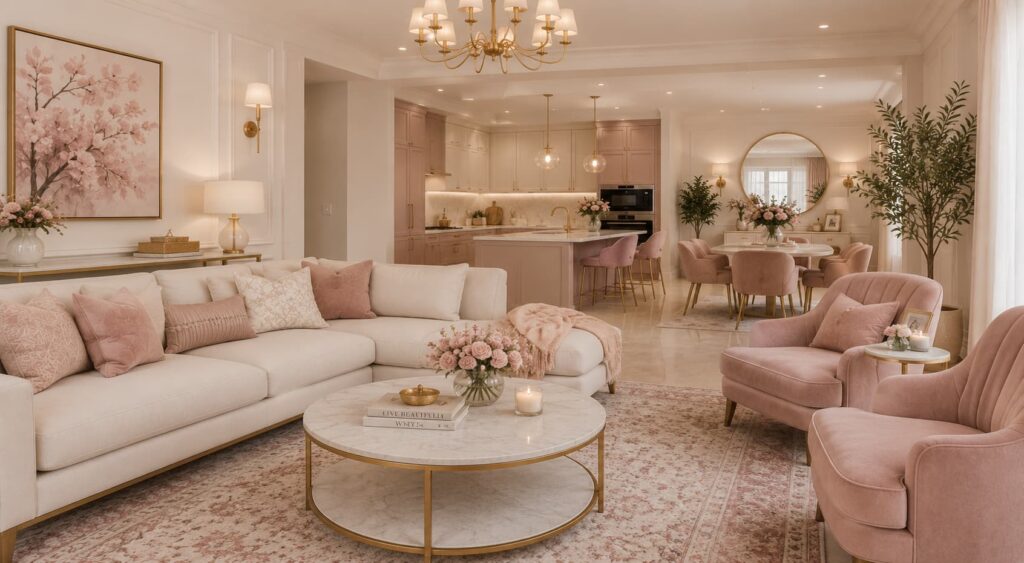
Dusty pink introduces softness and warmth, while ivory adds a timeless elegance that keeps the palette balanced. Together, they create a sophisticated look that feels both modern and inviting. This combination is commonly used in bedrooms, family lounges, and cozy living spaces.
7. Olive Green and Beige
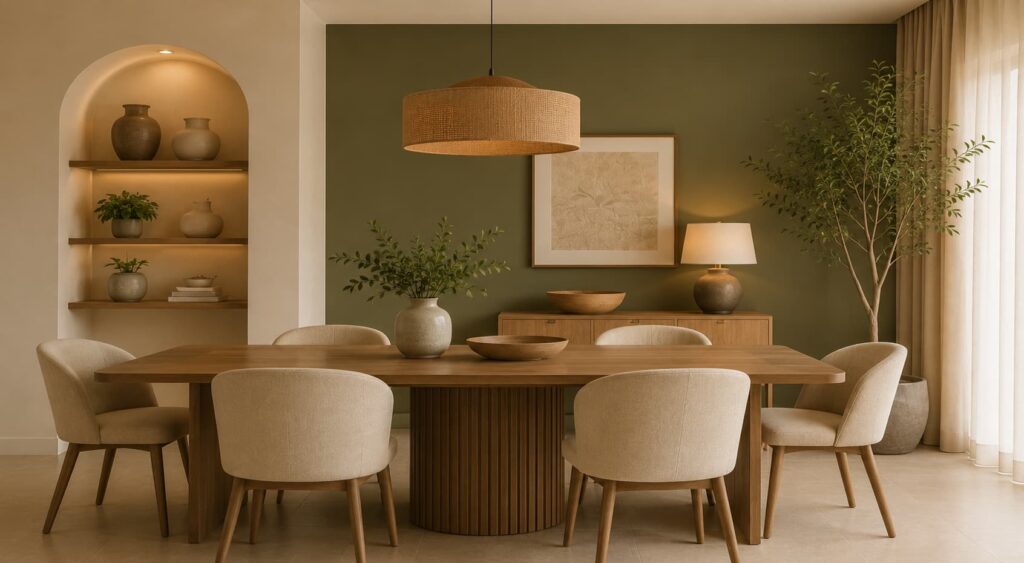
Olive green brings an earthy and natural feel to interiors, while beige adds warmth and versatility. This combination pairs exceptionally well with wooden furniture, indoor plants, and textured décor elements. It creates a grounded atmosphere that feels both stylish and comfortable.
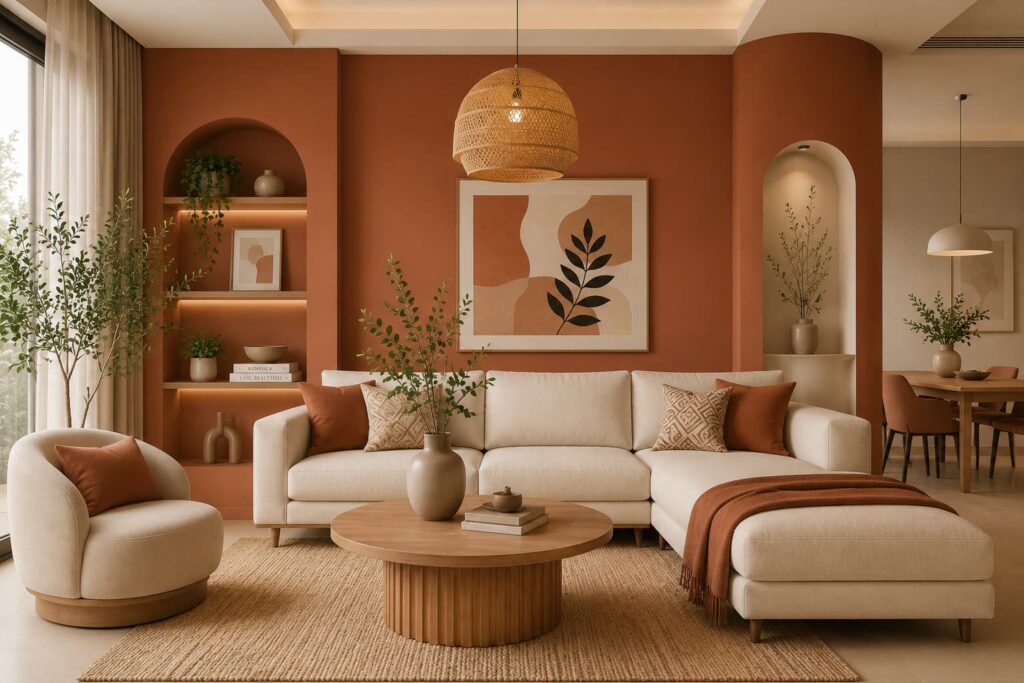
8. Terracotta and Off-White
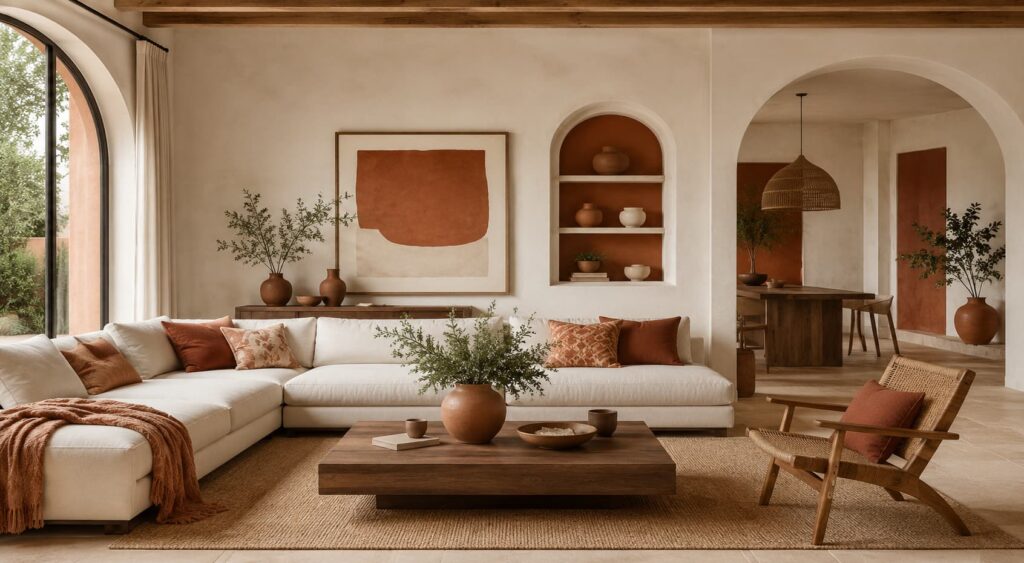
A growing trend in 2026 that brings warmth and character into modern interiors.
9. Taupe and Cream
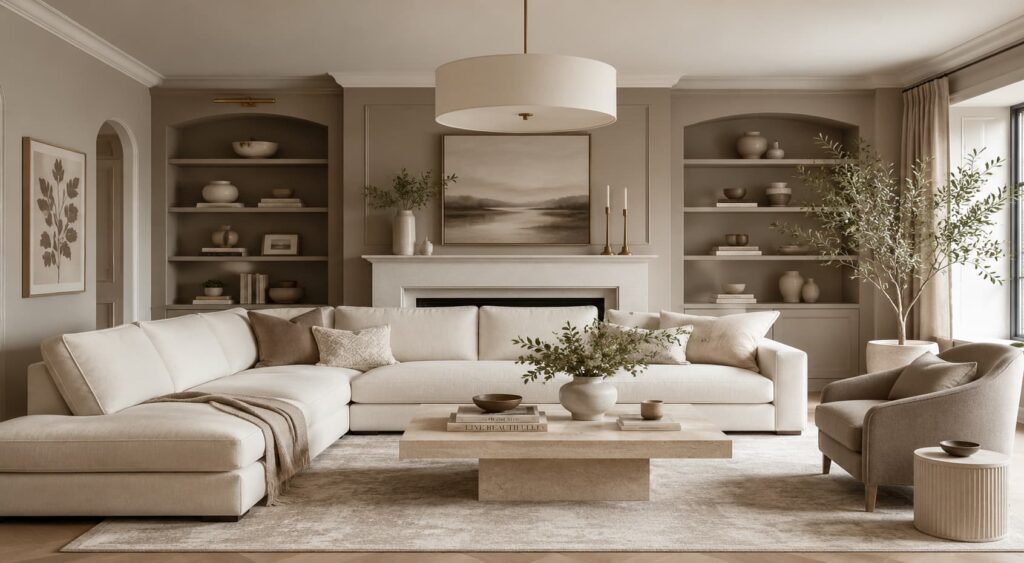
Taupe and cream create an understated sense of luxury that suits a variety of interior styles. The neutral tones make it easy to coordinate furniture, flooring, and decorative elements. This versatile palette works equally well in living rooms, bedrooms, and open-plan homes.
10. Sky Blue and White
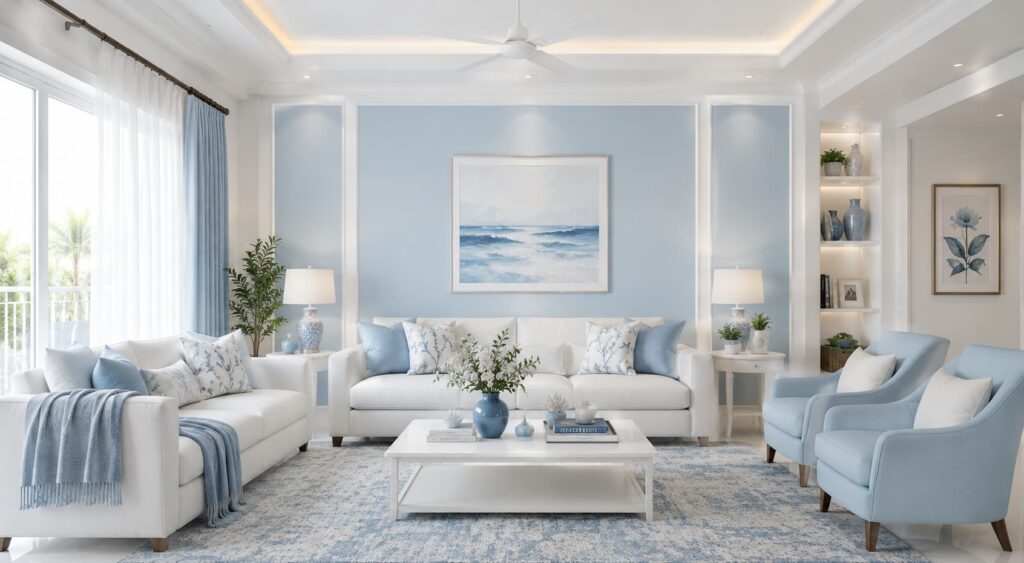
A classic room colour combination that promotes openness, calmness, and relaxation. Sky blue introduces a refreshing touch, while white enhances brightness and creates an airy feel. It is particularly effective in bedrooms, study rooms, and homes with abundant natural light.
11. Mustard Yellow and Grey
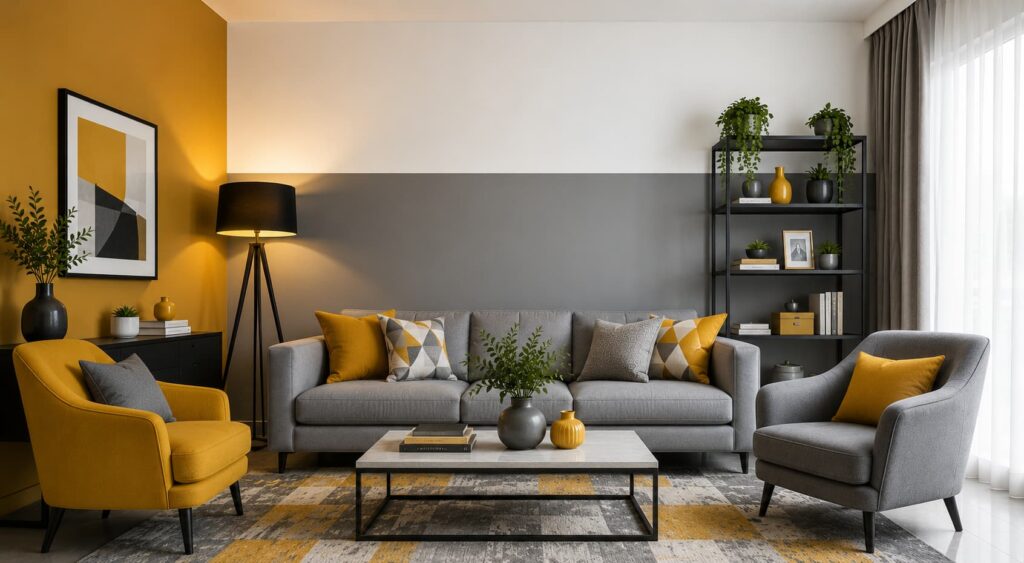
Mustard yellow adds energy and personality, while grey provides balance and sophistication. This pairing creates a vibrant yet refined look that feels modern without becoming overwhelming. It works especially well as an accent colour scheme in living rooms and creative spaces.
12. Forest Green and Wood Tones
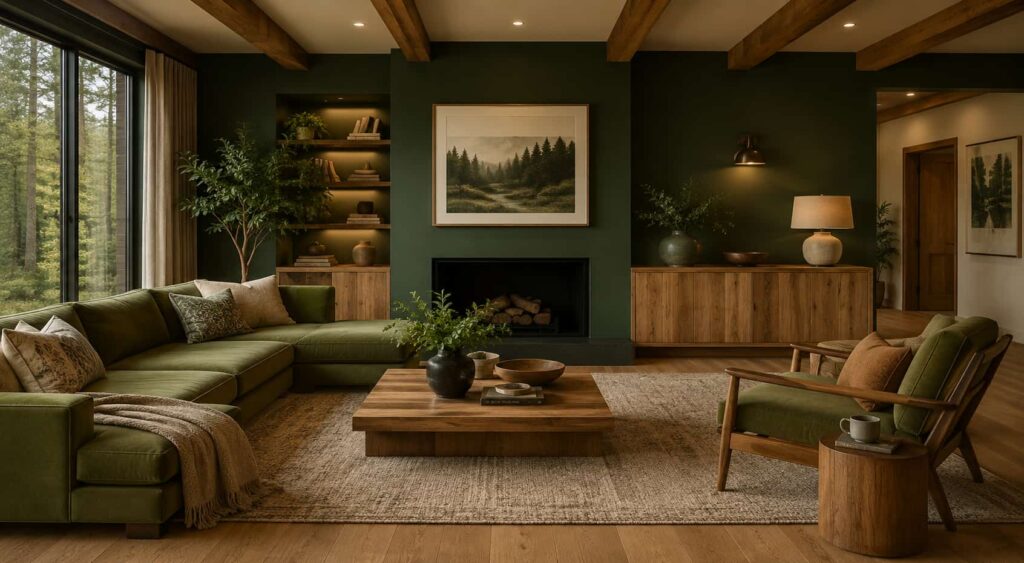
Forest green creates a rich and luxurious atmosphere that feels connected to nature. When combined with natural wood tones, it adds warmth, texture, and depth to a room. This premium palette is often used in luxury villas, home offices, and designer-inspired interiors.
13. Black and Warm White
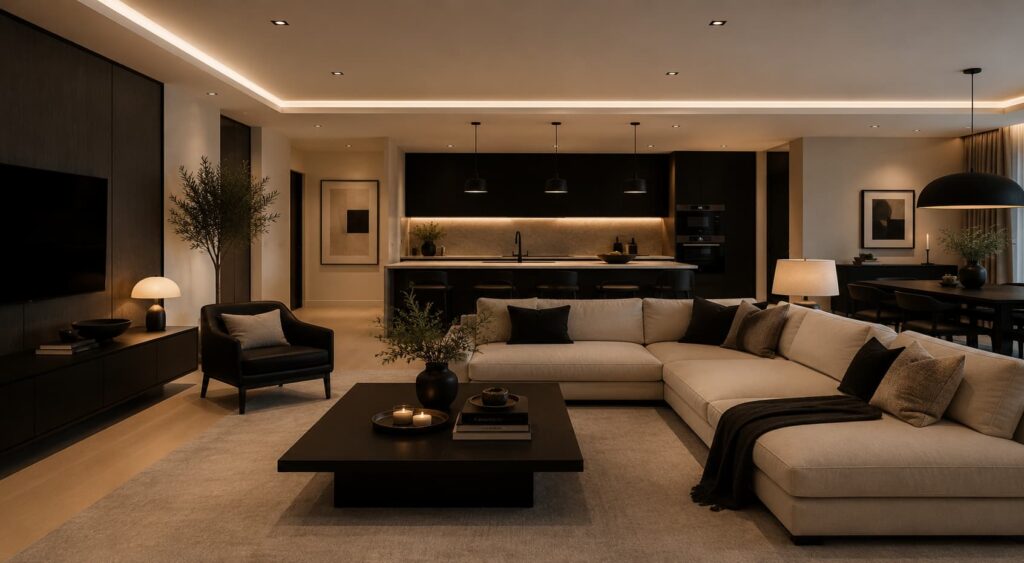
Black and warm white create a striking contrast that instantly adds a contemporary edge to any space. The warmth of the white softens the boldness of black, resulting in a balanced and sophisticated appearance. This combination is ideal for minimalist and modern interior styles.
14. Lavender Grey and White
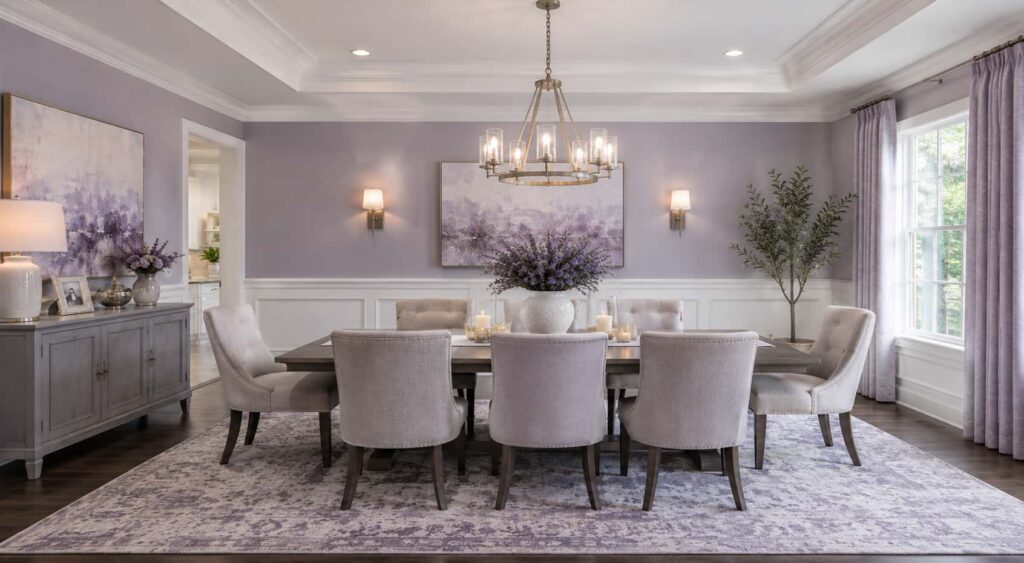
Lavender grey offers a subtle hint of colour while maintaining the elegance of a neutral palette. Paired with white, it creates a soft and calming environment that feels fresh and modern. This combination is an excellent choice for bedrooms, guest rooms, and stylish family homes.
15. Sand Beige and Earth Brown
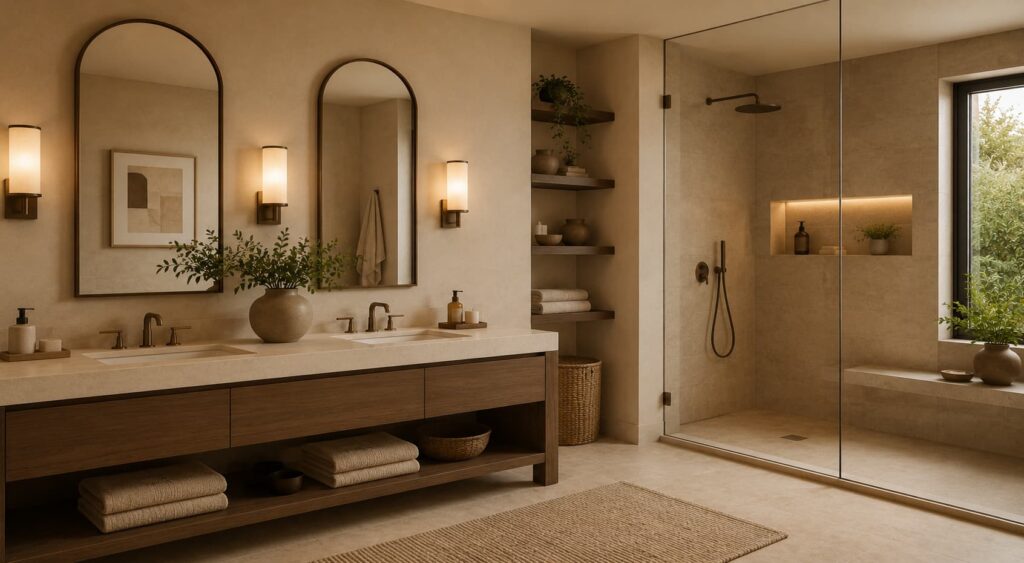
Sand beige and earth brown create a warm, natural palette inspired by organic landscapes. These earthy tones bring comfort and depth to interiors while complementing wood, stone, and natural textures. The result is a grounded and timeless aesthetic that feels both welcoming and sophisticated.
Benefits of Choosing the Right Home Colour Combinations
The right home interior colour provides more than visual appeal. It directly affects daily comfort and functionality.
Well-selected colours create a sense of flow between rooms, making homes feel larger and more cohesive. They can improve mood, highlight architectural features, and support specific design styles.
For property owners, attractive house interior colours can also improve perceived property value and marketability.
Common Colour Selection Mistakes to Avoid
Many homeowners rush into painting decisions without considering practical factors.
One common mistake is choosing colours directly from catalogues without testing samples. Lighting can dramatically alter the appearance of paint.
Another mistake is using too many bold colours throughout the home. Excessive contrast often creates visual clutter rather than sophistication.
Ignoring furniture, flooring, and décor compatibility is another frequent issue that results in disconnected design aesthetics.
Expert Insights for Bangalore Apartments and Villas
Modern homes in Bangalore have unique requirements due to climate, architecture, and lifestyle trends.
Design professionals often recommend warm neutrals for apartments because they maximize brightness and make compact spaces feel larger. Villas typically allow greater flexibility, making deeper colours and dramatic contrasts more practical.
Pros of Neutral Colour Schemes
- Timeless appearance
- Easier furniture coordination
- Better resale appeal
- Creates spacious interiors
Cons of Neutral Colour Schemes
- May feel overly safe
- Requires texture and décor for personality
Pros of Bold Colour Schemes
- Strong visual impact
- Distinctive character
- Creates focal points
Cons of Bold Colour Schemes
- Can feel overwhelming
- May require repainting as trends change
Professional designers typically combine neutral foundations with carefully selected accent colours for long-term flexibility.
Cost and Comparison of Popular Interior Paint Styles
The overall cost depends on paint quality, finish, and wall preparation requirements.
Paint Style | Visual Appeal | Maintenance | Suitable For |
Matte Finish | Modern and elegant | Moderate | Living rooms |
Satin Finish | Smooth appearance | Easy | |
Luxury Emulsion | Premium look | High durability | Villas |
Washable Paint | Practical | Easy | Family homes |
Textured Paint | Designer appearance | Moderate | Accent walls |
For most Bangalore apartments, washable premium emulsions offer the best balance between aesthetics and maintenance.
Real Project Examples
Real-world examples help homeowners understand how colour choices solve practical design challenges.
Example 1 – Bangalore Apartment
Challenge:
A 2BHK apartment felt small and lacked natural light.
Solution:
The homeowners selected a combination of greige and soft white walls with light wooden furniture.
Result:
The apartment appeared larger, brighter, and more modern without major renovation expenses.
Example 2 – Luxury Villa
Challenge:
A newly constructed villa felt visually empty despite its large size.
Solution:
The interior design team combined forest green feature walls with warm beige and wood accents.
Result:
The villa gained warmth, sophistication, and a premium designer-inspired appearance.
Conclusion
The best interior colour combinations combine style, practicality, and long-term appeal. In 2026, homeowners are moving toward warm neutrals, earthy tones, and sophisticated contrasts that create comfortable yet modern living spaces. Whether you own a compact apartment or a luxury villa, selecting the right home colour combinations can dramatically improve both aesthetics and functionality. By considering room size, lighting, and lifestyle needs, you can confidently choose interior colour combinations that keep your home beautiful, welcoming, and relevant for years to come.
Frequently Asked Questions
Which interior colour combination is best for modern homes?
Neutral combinations such as greige and white, sage green and cream, or beige and warm white remain among the most versatile choices. They work well across different room sizes and interior styles.
What are the trending home colour combinations for 2026?
Earthy tones, sage green, terracotta, warm beige, forest green, and soft greys are among the leading trends. These colours create comfortable and timeless interiors.
Which wall colours make a room look bigger?
Light colours such as white, cream, ivory, and soft grey reflect more light and create the illusion of larger spaces. They are particularly effective in apartments.
How do I choose interior paint colours?
Start by evaluating room size, lighting conditions, furniture style, and personal preferences. Always test paint samples before making final decisions.
Are dark colours suitable for small apartments?
Dark colours can work when used strategically as accent walls. Combining them with lighter surrounding walls helps maintain balance and prevents rooms from feeling cramped.
Do interior colours affect property value?
Yes. Well-chosen house painting colour combinations can improve buyer perception, increase visual appeal, and contribute to a higher perceived property value.