A beautiful home is no longer just about stylish walls and expensive furniture. In 2026, homeowners want spaces that feel practical, organized, comfortable, and adaptable to everyday life. That’s exactly why the Home Interior Design Process has evolved so much over the last few years.
From hybrid work culture to compact urban apartments, modern homes now require smarter planning than ever before. People are looking for interiors that improve functionality without making spaces feel crowded. At the same time, design preferences are becoming more personal, with homeowners expecting layouts and features that actually suit their lifestyle.
Whether it’s a new apartment or a villa renovation, the modern design journey now combines technology, personalization, sustainability, and efficient space planning in ways that were rarely seen before.
In this blog, we’ll walk you through the step-by-step Home Interior Design Process in 2026, from lifestyle planning and space optimization to smart technology integration and final execution. You’ll also understand how homeowners and designers collaborate to create modern, functional, and personalized interiors that fit today’s evolving lifestyles.
Why Interior Planning Has Changed in 2026
The biggest shift in 2026 is that homeowners are no longer choosing interiors only based on trends. Today, people prioritize usability just as much as appearance.
For example, many families now need flexible spaces that can work as both home offices and relaxation areas. In cities like Bangalore, compact apartments have increased the demand for modular storage, multifunctional furniture, and better layout planning.
Because of this, modern home interior design focuses more on practical living rather than excessive decoration. Many interior designers in bangalore now begin projects by understanding family routines, storage habits, work requirements, and long-term lifestyle goals before discussing colors or themes.
This approach creates interiors that feel more natural and easier to maintain over time.
Understanding Lifestyle Before Starting Design
One of the most important stages in modern interior planning is lifestyle analysis. Designers first study how homeowners actually use their space every day.
Discussions usually include:
- Work-from-home needs
- Storage expectations
- Daily family routines
- Furniture preferences
- Future flexibility requirements
For instance, a young couple living in a 2BHK apartment may prefer a foldable dining setup that can double as a workspace during weekdays. Similarly, families with children often prioritize clutter-free storage and safer furniture layouts instead of purely decorative elements.
This personalized planning process has become a major reason why the latest modern home interiors in 2026 feel more balanced, functional, and comfortable.
How Technology Is Changing Modern Home Interior Design
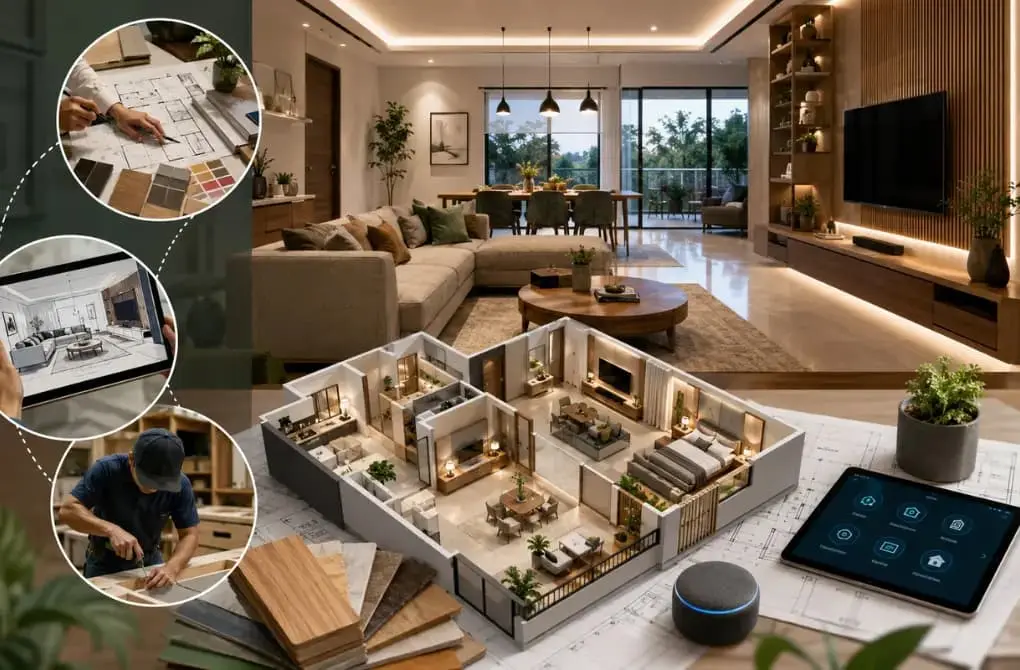
Technology now plays a huge role in the way homes are designed and executed.
Most projects today include:
- 3D visualizations
- Virtual walkthroughs
- Digital material previews
- Real-time layout revisions
These tools help homeowners understand the final design before execution begins, reducing confusion and costly changes later.
Smart home integration is also becoming common in urban interiors. Features like automated lighting, voice-controlled devices, digital locks, and hidden charging stations are now included during the planning stage itself.
Many professionals offering interior design bangalore services are also integrating smart storage systems and energy-efficient solutions into modern apartments where space optimization matters the most.
Space Optimization Matters More Than Ever
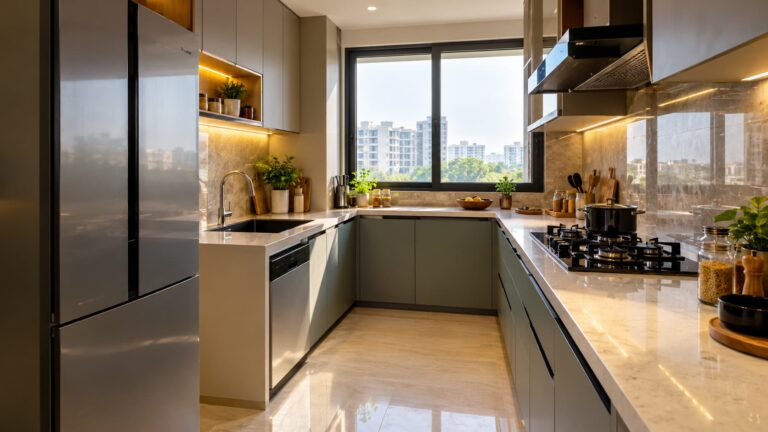
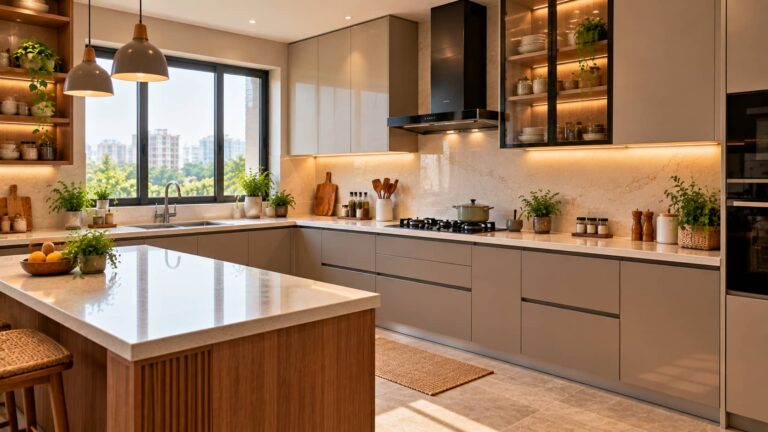
Urban homes continue to become smaller, especially in metropolitan cities. Because of this, space-saving interiors have become one of the latest home interior design trends in 2026.
Designers now focus heavily on:
- Modular wardrobes
- Hidden storage compartments
- Multifunctional furniture
- Foldable workstations
- Open layouts with better movement flow
A practical example can be seen in many Bangalore apartments where homeowners convert balcony corners into compact reading or work areas instead of leaving them unused.
This shift proves that modern interiors are no longer about filling spaces with furniture. Instead, the focus is on making every corner more useful without affecting comfort or aesthetics.
Sustainability Is Becoming a Priority
Homeowners today are paying closer attention to long-term durability and environmentally responsible materials.
Instead of temporary decorative finishes, people now prefer:
- LED lighting
- Low-VOC paints
- Engineered wood
- Natural ventilation planning
- Recycled or sustainable materials
These choices not only reduce maintenance but also improve indoor comfort over time.
Many home interior designers in bangalore are now encouraging clients to invest in durable materials that provide long-term value instead of short-term visual appeal.
This sustainable approach has become a defining feature of modern contemporary interior design in 2026.
Why Turnkey Solutions Are Growing Rapidly
Managing multiple vendors during home renovation can quickly become stressful. That’s why turnkey interior solutions are becoming increasingly popular among homeowners.
Under this model, one team handles:
- Design planning
- Material sourcing
- Execution
- Installation
- Coordination
This reduces communication gaps and helps maintain better project timelines.
For busy professionals, especially in fast-moving urban cities, turnkey execution often feels more organized and easier to manage compared to traditional fragmented workflows.
Modern Interiors Are Becoming More Personal
One noticeable trend in 2026 is the move away from overly polished “showroom-style” homes. People now want interiors that reflect their lifestyle and personality.
This is why many modern home decor ideas now focus on warmth, functionality, and everyday comfort rather than excessive luxury.
Neutral palettes, layered lighting, textured finishes, indoor plants, and flexible furniture arrangements are becoming more popular because they create spaces that feel calm and livable.
The idea is simple — homes should support daily life, not complicate it.
Conclusion
The way homes are designed today clearly reflects changing lifestyles and evolving expectations. The modern interior planning process is no longer only about decoration. It is about creating spaces that improve comfort, functionality, flexibility, and long-term usability.
As urban living continues to evolve, homeowners are becoming more thoughtful about how their homes should function in real life. That’s why interior planning in 2026 is centered around smarter layouts, sustainable choices, better technology integration, and personalized experiences that genuinely improve everyday living.
FAQs
What is the Home Interior Design Process in 2026?
It usually includes lifestyle analysis, space planning, concept development, 3D visualization, smart technology integration, material selection, and final execution.
What are the latest home interior design trends in 2026?
Smart home features, multifunctional furniture, sustainable materials, modular storage, and warm minimalist interiors are among the biggest trends.
Why is space optimization important in modern homes?
Compact urban homes require better layouts and storage planning to improve functionality without making interiors feel overcrowded.
Are turnkey interior solutions worth choosing?
Yes. They simplify project management by handling design, execution, materials, and installation under a single coordinated team.